%2Ffit-in%2F250x250%2Fguide_websites%2F59096%2Fimages%2F176785104650322.png&w=1920&q=100)
/users/0e2d35a9-2fd5-42b3-9ca4-d5a4a71350eb/ratecard/a9de4e6b-df8f-4a63-8b9b-0e158c20d80a.jpg)
%2F300x300%2Fusers%2F0e2d35a9-2fd5-42b3-9ca4-d5a4a71350eb%2Fratecard%2Fa9de4e6b-df8f-4a63-8b9b-0e158c20d80a.jpg&w=256&q=75)
%2F300x300%2Fusers%2F0e2d35a9-2fd5-42b3-9ca4-d5a4a71350eb%2Fimages%2Fspotted-weakfish-homosassa-fishing-3329.jpg&w=256&q=75)
%2F300x300%2Fusers%2F0e2d35a9-2fd5-42b3-9ca4-d5a4a71350eb%2Fimages%2Fhomosassa-fishing-tour-black-drum-3305.jpg&w=256&q=75)
%2F300x300%2Fusers%2F0e2d35a9-2fd5-42b3-9ca4-d5a4a71350eb%2Fimages%2Fredfish-black-drum-homosassa-fishing-2763.jpg&w=256&q=75)
%2F300x300%2Fusers%2F0e2d35a9-2fd5-42b3-9ca4-d5a4a71350eb%2Fimages%2Ffishing-crew-in-fl-2714.jpg&w=256&q=75)
%2F300x300%2Fusers%2F0e2d35a9-2fd5-42b3-9ca4-d5a4a71350eb%2Fimages%2Ffishing-fun-florida-2608.jpg&w=256&q=75)
%2F300x300%2Fusers%2F0e2d35a9-2fd5-42b3-9ca4-d5a4a71350eb%2Fimages%2Fbest-great-fishing-adventure-fl-2667.jpg&w=256&q=75)
%2F300x300%2Fusers%2F0e2d35a9-2fd5-42b3-9ca4-d5a4a71350eb%2Fimages%2Fhomosassa-fishing-tour-adventure-2700.jpg&w=256&q=75)
%2F300x300%2Fusers%2F0e2d35a9-2fd5-42b3-9ca4-d5a4a71350eb%2Fimages%2Fbest-great-fishing-florida-2621.jpg&w=256&q=75)
%2F300x300%2Fusers%2F0e2d35a9-2fd5-42b3-9ca4-d5a4a71350eb%2Fimages%2Ffishing-homosassa-2655.jpg&w=256&q=75)
%2F300x300%2Fusers%2F0e2d35a9-2fd5-42b3-9ca4-d5a4a71350eb%2Fimages%2Fspotted-weakfish-fishing-tour-fl-2621.jpg&w=256&q=75)
Homosassa Half Day Inshore Fishing Trip
What you will be catching:
 Redfish
 Sea Trout
 Sheepshead
 Snook
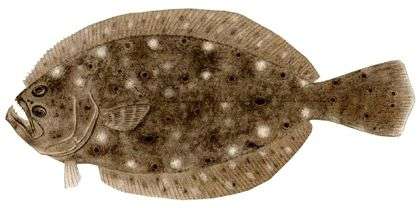
Snook Summer Flounder
- 4-hour morning charter targeting redfish, trout, snook, sheepshead, flounder
- Expert Captain Quintin Valls provides all equipment and local knowledge
- Spacious 24-foot Tremblay accesses prime Homosassa fishing locations
Trip Pricing and Availabilities:
Half Day Fishing Trip in Homosassa, Florida
If you're looking for a solid half-day on the water without all the fuss, Captain Quintin Valls has you covered. This 4-hour private inshore trip launches right from MacRae's of Homosassa at 7:00 AM, putting you on fish before the crowds and heat kick in. You'll be fishing aboard a spacious 24-foot Tremblay with room for up to four people, though the base rate covers two anglers perfectly. What makes this trip special isn't just the fish you'll catch – it's Captain Quintin's approach to sharing the water he knows like the back of his hand.
What to Expect on the Water
Homosassa's inshore waters are about as productive as they get on Florida's Nature Coast, and this trip takes full advantage of that. You'll spend your morning working the grass flats, oyster bars, and creek mouths where redfish, sea trout, and snook like to hang out. Captain Quintin keeps things relaxed but focused – he's not rushing from spot to spot chasing numbers, but rather working each area methodically to put you on quality fish. The 7:00 AM start time isn't just about beating the heat; it's prime time for feeding activity when these inshore species are most active. Whether you're a weekend warrior or someone who's never held a rod, the captain adjusts his approach to match your skill level and interests. The Tremblay's shallow draft means you can get into spots bigger boats can't reach, giving you access to some seriously fishy water that stays productive year-round.
Tackle & Techniques
This isn't a heavy tackle situation – you'll be using medium-action spinning gear that's perfect for the inshore game. Most of your fishing will involve live bait like shrimp, pinfish, and pilchards, though Captain Quintin isn't shy about throwing artificials when the bite calls for it. Expect to do some sight fishing on the flats, where you'll actually see redfish tailing or cruising before you cast to them. The captain also runs cut bait on the bottom for sheepshead around structure, and works soft plastics through the grass for sea trout. You don't need to bring anything except your fishing license, sunscreen, and drinks – all tackle, bait, and gear are included. The techniques you'll learn aren't complicated, but they're effective, and Captain Quintin takes time to explain why you're fishing certain spots and how to read the water yourself.
Top Catches This Season
Redfish are the bread and butter of Homosassa's inshore scene, and for good reason. These copper-colored bruisers love the shallow flats and oyster bars around here, especially during the warmer months. You'll typically find them in 2-4 feet of water, either tailing in the grass or cruising the edges looking for crabs and baitfish. Redfish in this area commonly run 20-28 inches, with plenty of slot-sized fish that make excellent table fare. What makes catching them so addictive is the visual aspect – you often see them before you cast, which adds a whole different level of excitement to the fight.
Sea trout are another staple that keeps anglers coming back to these waters. They school up over the grass flats and respond well to both live shrimp and soft plastic jigs. The best action typically happens during the cooler months from October through March, when you can find them in good numbers throughout the day. These fish are perfect for beginners since they're aggressive biters and not particularly tackle-shy. A good sea trout in Homosassa runs 15-20 inches, and they're some of the best eating fish you'll find in these waters.
Snook fishing around Homosassa is seasonal but worth planning your trip around. These ambush predators love structure – docks, mangrove lines, and creek mouths where they can hide and pounce on unsuspecting baitfish. Summer months are prime time, especially around dawn and dusk when they move into the shallows to feed. Snook are notorious for their explosive strikes and acrobatic fights, often jumping multiple times once hooked. They're catch-and-release only, but the fight alone makes them a top target for serious anglers.
Sheepshead might not win any beauty contests, but they're some of the craftiest fish you'll encounter on this trip. These black-and-white striped convict fish hang around oyster bars, docks, and any hard structure where they can pick off crabs, barnacles, and small shellfish. They're notorious bait stealers with incredible precision – you'll swear something's wrong with your bait only to reel up a bare hook. When you do connect, sheepshead are surprisingly strong fighters for their size, and they're absolutely outstanding on the dinner table with sweet, flaky white meat.
Summer flounder add variety to the mix, particularly during their seasonal runs through the area. These flatfish are masters of camouflage, burying themselves in sandy bottoms near grass edges and structure. They're ambush predators that inhale baits quickly, so you need to stay alert and set the hook fast. Flounder fishing requires a bit more finesse than the other species, but Captain Quintin knows the productive spots and can put you on them when they're around. They're excellent eating and provide a different type of fishing challenge that rounds out the experience.
Time to Book Your Spot
This half-day trip hits the sweet spot for anglers who want quality fishing without committing to a full day on the water. Captain Quintin's local knowledge and hands-on approach mean you're not just catching fish – you're learning about Homosassa's inshore ecosystem and picking up techniques you can use on future trips. The early morning departure puts you on the water during prime feeding times, and the private boat setup means you're not sharing space
Learn more about the species
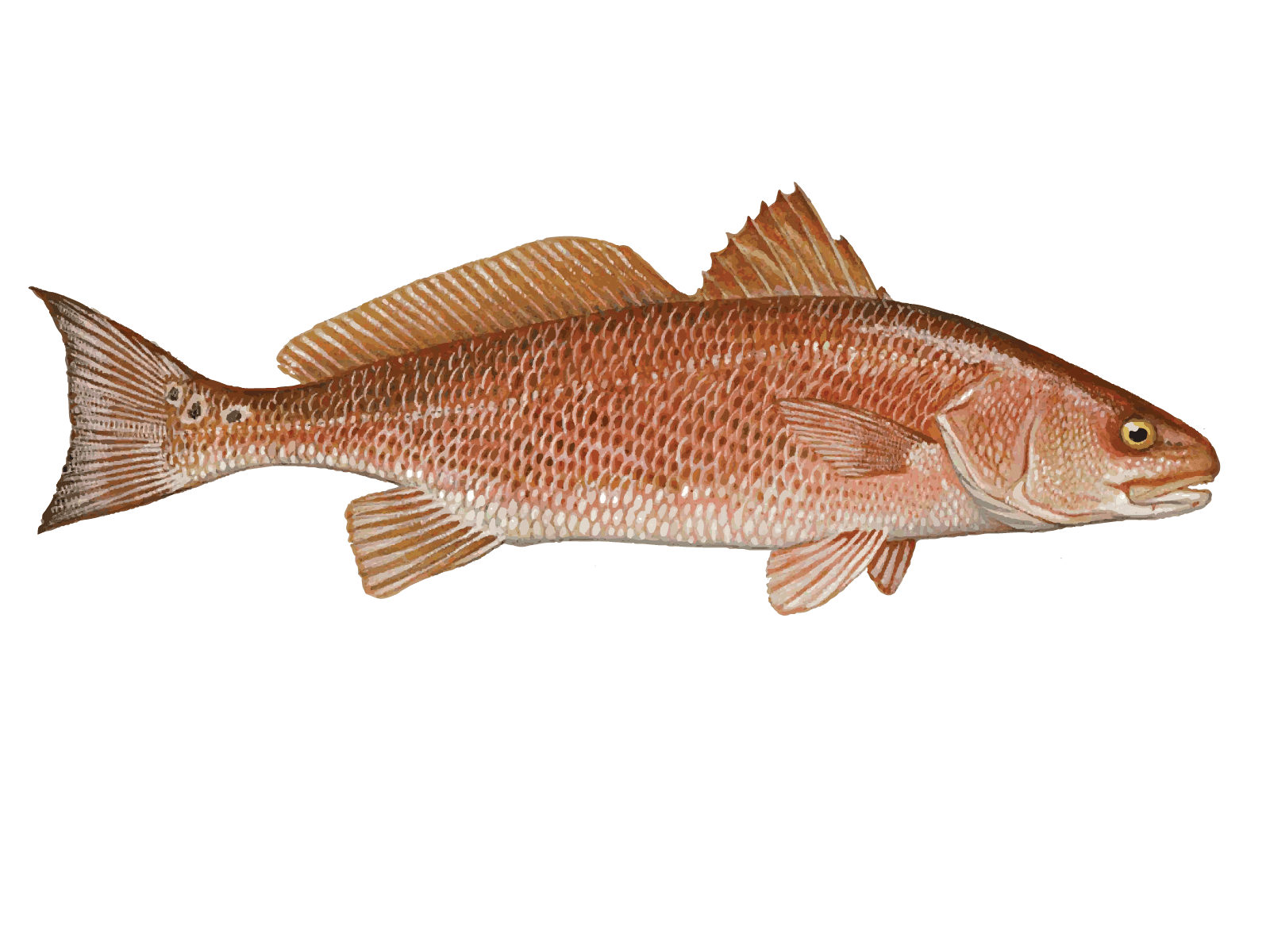
Redfish
Redfish are the bread and butter of our inshore fishing, and there's nothing quite like watching one of these copper-colored bruisers crash a topwater lure in 2 feet of water. Most slot fish run 18-27 inches, but we also target the bigger "bulls" that can push 20-30 pounds and really test your tackle. Look for them on shallow grass flats, around oyster bars, and mangrove shorelines where they root around for crabs and shrimp. They bite year-round, but fall and winter offer some of the best action when they school up. What guests love about redfish is their power - once hooked, they make long, bulldogging runs that'll have your reel screaming. They're also great table fare with firm, sweet meat. The black spot near their tail isn't just for show - it confuses predators and makes for easy identification. Try working topwater plugs or spoons over shallow flats during moving tides for the most exciting action.
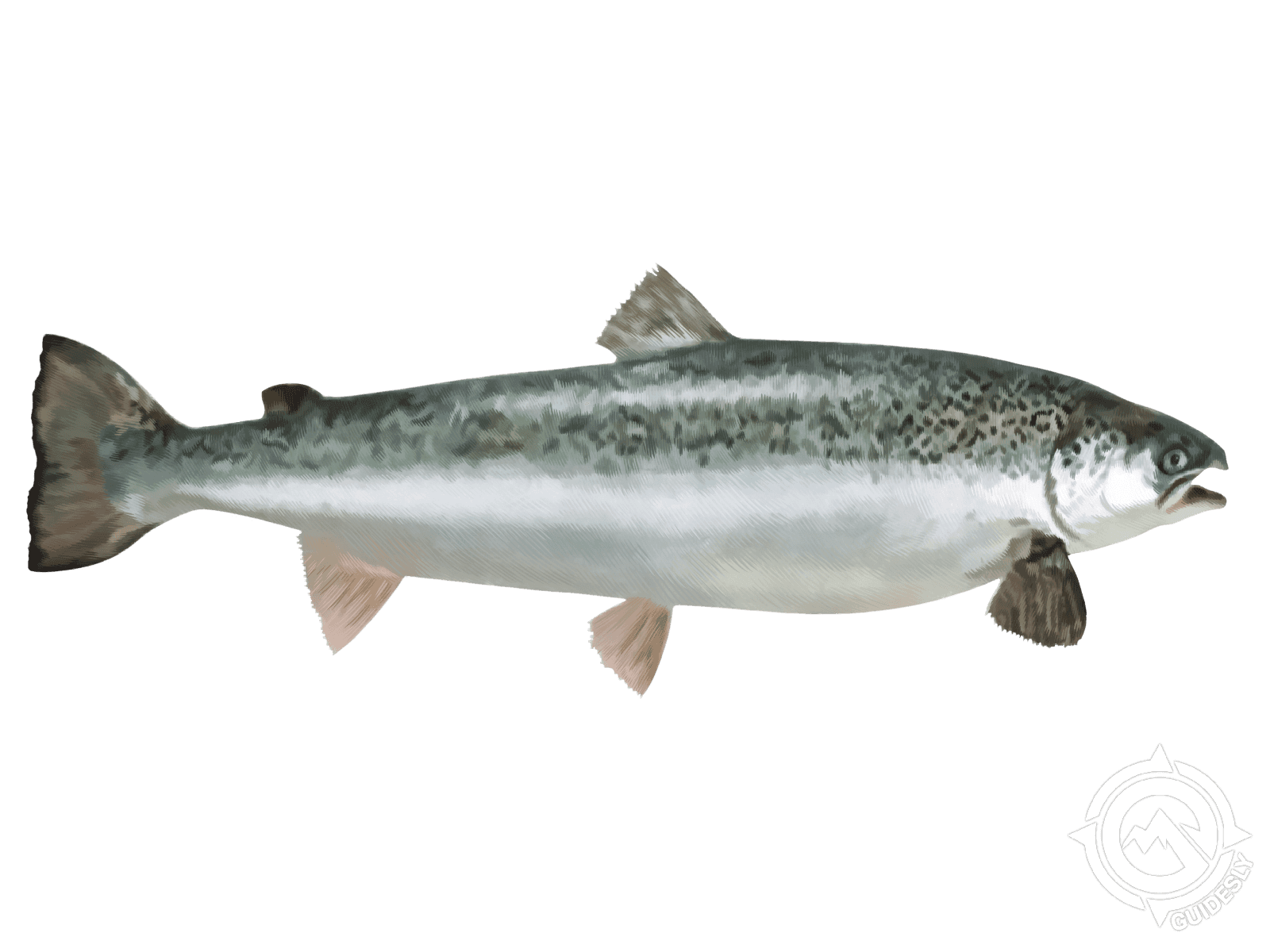
Sea Trout
Spotted sea trout, or "specks" as we call them, are a staple of our grass flats and one of the most reliable species you'll encounter. They average 14-18 inches with plenty of 2-3 pounders mixed in, and their silver sides covered in black spots make them easy to identify. You'll find them over grass beds in 2-8 feet of water, especially around potholes and drop-offs. They bite year-round but really turn on during spring and fall when water temps are just right. What makes trout fishing so addictive is their willingness to hit both live bait and artificials - they're perfect for anglers wanting to learn different techniques. They're also excellent eating with tender, flaky meat that's mild and sweet. My go-to method is working a soft plastic shrimp or jig head slowly over the grass, letting it sink into those sandy potholes where the big ones hang out. Early morning and evening produce the best action.
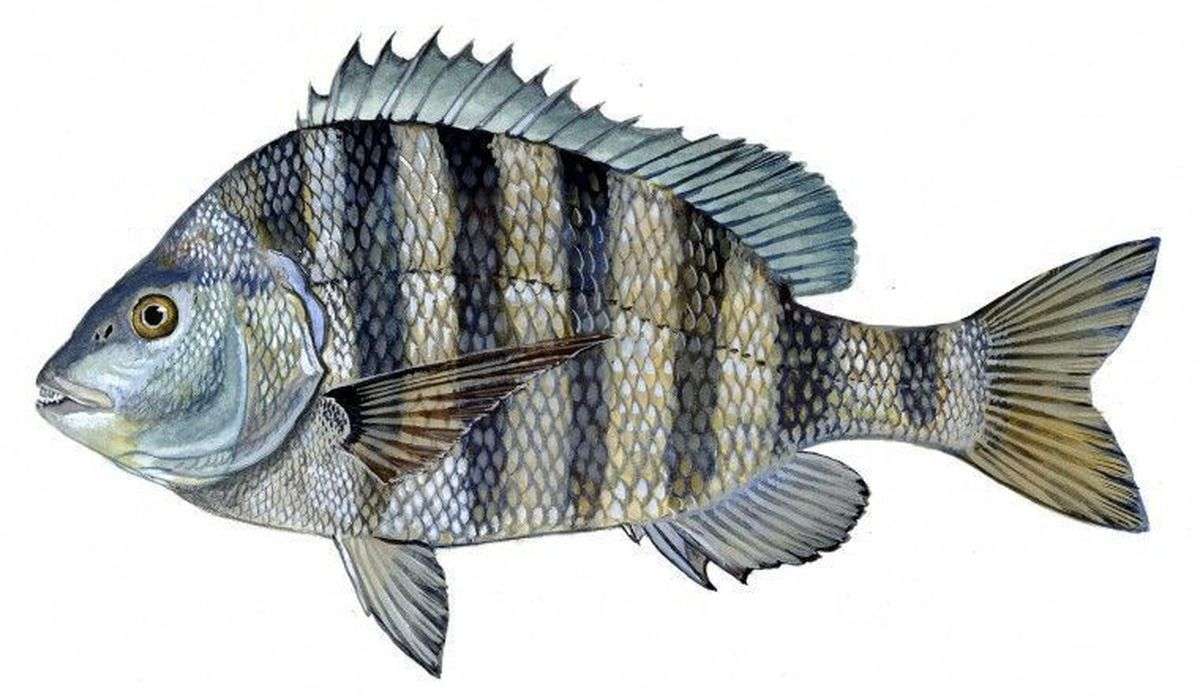
Sheepshead
Sheepshead are the "convict fish" of our local waters, easily recognized by their black and white prison stripes and those human-like teeth that'll give you a double-take. Most run 2-5 pounds and 14-18 inches, but we regularly catch 8-pounders around the right structure. These guys live around docks, bridges, and any barnacle-covered pilings where they crunch on crabs and shellfish all day. Winter and spring are peak seasons when they school up for spawning. Guests love targeting sheepshead because they're notorious bait thieves - it becomes a game of wits trying to hook them before they steal your shrimp. They're also top-shelf table fare with sweet, firm white meat. The key to success is using small hooks with fresh shrimp and getting as close to structure as possible. When you feel that subtle nibble, set the hook hard immediately - they have crusher mouths that'll straighten weak hooks.
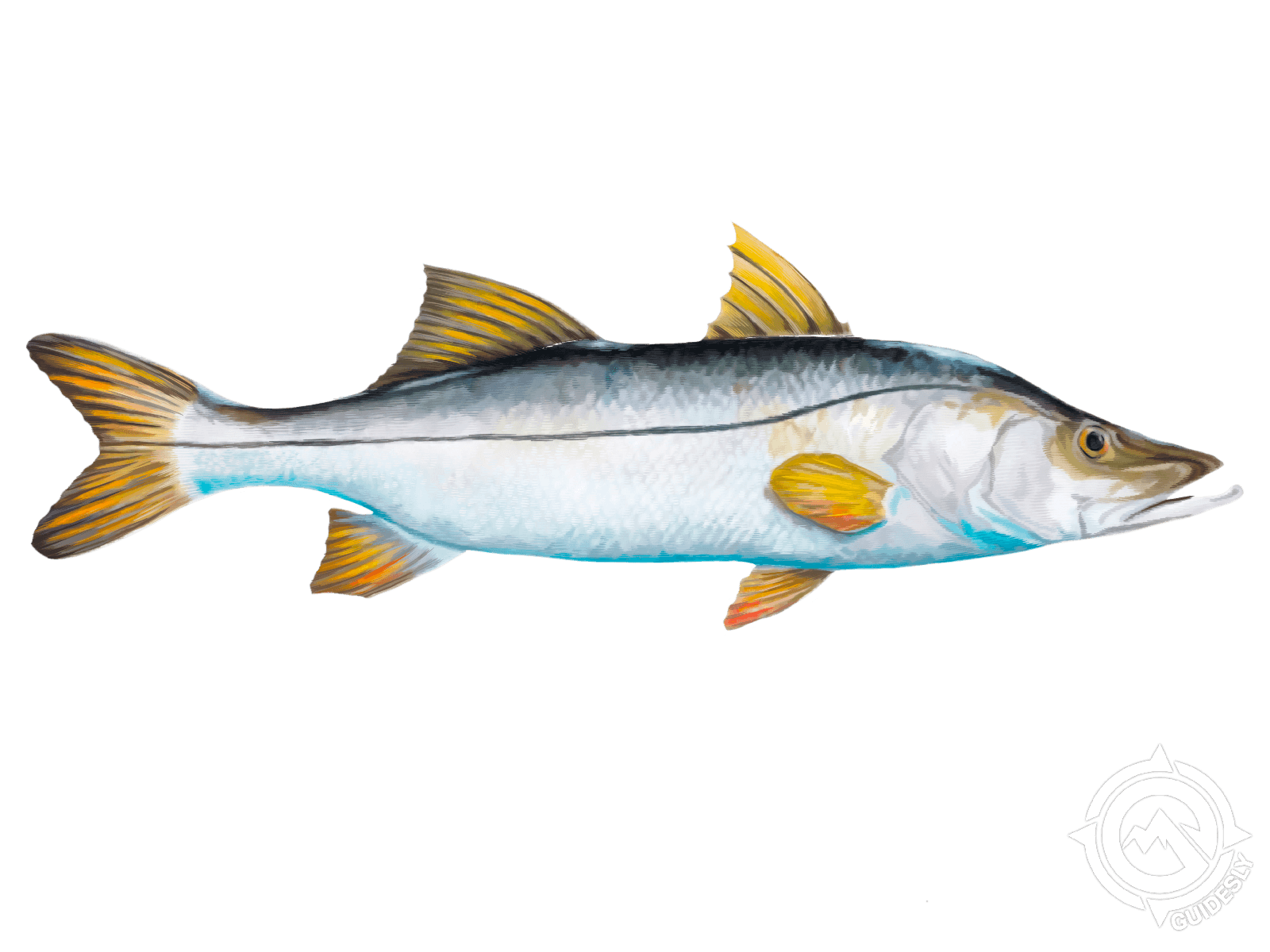
Snook
Snook are one of Florida's most prized gamefish, and for good reason. These sleek, golden fish with that distinctive black lateral line typically run 18-28 inches in our waters, though we occasionally hook into 3-footers that'll test your drag. You'll find them around mangroves, docks, and creek mouths where they ambush shrimp and baitfish. Spring through fall gives you the best action, especially around the new and full moons when they're most active. What makes snook special is their explosive strike and acrobatic fight - they'll jump and make blistering runs that get your heart pumping. Plus, they're fantastic eating with sweet, white meat. Here's a local tip: when working mangrove shorelines, cast your lure right into the roots and work it slowly out. Snook are ambush predators and won't chase bait far from cover.
Summer Flounder
Summer flounder are the masters of disguise on our sandy bottoms. These flatfish typically run 15-20 inches, though we catch some real doormat-sized ones pushing 5-6 pounds. They're ambush predators that bury themselves in sand and mud, waiting for baitfish to swim by. You'll find them on grass flats, around structure, and drop-offs in 3-15 feet of water. Fall months from September through November are prime time when they're feeding heavily before winter. What guests love about flounder fishing is the mystery - you never know if that subtle tap is a keeper or a monster. They're also some of the best eating fish in our waters with sweet, flaky white meat. Pro tip: use a slow, dragging retrieve along the bottom with live shrimp or soft plastics. When you feel that gentle pickup, count to three before setting the hook - they need time to fully take the bait.
About the Tremblay 1989
%2F%2Fusers%2F0e2d35a9-2fd5-42b3-9ca4-d5a4a71350eb%2Fvehicle_picture%2F2353435d-7210-4ea7-8bd1-8ce7e88211ff.jpg&w=1920&q=75)
Vehicle Guest Capacity: 6
Manufacturer Name: Yamaha
Maximum Cruising Speed: 42
Number of Engines: 1
Horsepower per Engine: 175