%2Ffit-in%2F250x250%2Fguide_websites%2F59096%2Fimages%2F176785104650322.png&w=1920&q=100)
/users/0e2d35a9-2fd5-42b3-9ca4-d5a4a71350eb/ratecard/583343919_122142102968942582_3146322721874614969_n-mjt9j79t.jpg)
%2F300x300%2Fusers%2F0e2d35a9-2fd5-42b3-9ca4-d5a4a71350eb%2Fratecard%2F583343919_122142102968942582_3146322721874614969_n-mjt9j79t.jpg&w=256&q=75)
%2F300x300%2Fusers%2F0e2d35a9-2fd5-42b3-9ca4-d5a4a71350eb%2Fimages%2Fspotted-weakfish-homosassa-fishing-3329.jpg&w=256&q=75)
%2F300x300%2Fusers%2F0e2d35a9-2fd5-42b3-9ca4-d5a4a71350eb%2Fimages%2Fhomosassa-fishing-tour-black-drum-3305.jpg&w=256&q=75)
%2F300x300%2Fusers%2F0e2d35a9-2fd5-42b3-9ca4-d5a4a71350eb%2Fimages%2Fredfish-black-drum-homosassa-fishing-2763.jpg&w=256&q=75)
%2F300x300%2Fusers%2F0e2d35a9-2fd5-42b3-9ca4-d5a4a71350eb%2Fimages%2Ffishing-crew-in-fl-2714.jpg&w=256&q=75)
%2F300x300%2Fusers%2F0e2d35a9-2fd5-42b3-9ca4-d5a4a71350eb%2Fimages%2Ffishing-fun-florida-2608.jpg&w=256&q=75)
%2F300x300%2Fusers%2F0e2d35a9-2fd5-42b3-9ca4-d5a4a71350eb%2Fimages%2Fbest-great-fishing-adventure-fl-2667.jpg&w=256&q=75)
%2F300x300%2Fusers%2F0e2d35a9-2fd5-42b3-9ca4-d5a4a71350eb%2Fimages%2Fhomosassa-fishing-tour-adventure-2700.jpg&w=256&q=75)
%2F300x300%2Fusers%2F0e2d35a9-2fd5-42b3-9ca4-d5a4a71350eb%2Fimages%2Fbest-great-fishing-florida-2621.jpg&w=256&q=75)
%2F300x300%2Fusers%2F0e2d35a9-2fd5-42b3-9ca4-d5a4a71350eb%2Fimages%2Ffishing-homosassa-2655.jpg&w=256&q=75)
%2F300x300%2Fusers%2F0e2d35a9-2fd5-42b3-9ca4-d5a4a71350eb%2Fimages%2Fspotted-weakfish-fishing-tour-fl-2621.jpg&w=256&q=75)
Full Day Redfish Inshore Trip Homosassa FL
What you will be catching:
 Redfish
 Sea Trout
 Sheepshead
 Snook
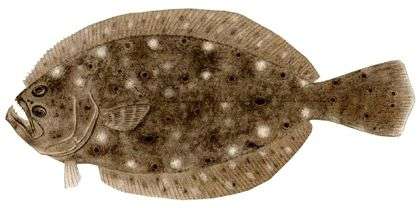
Snook Summer Flounder
- 8-hour private inshore fishing trip targeting five species
- Spacious 24-foot vessel accommodating up to four anglers comfortably
- Expert instruction and local knowledge from experienced Captain Quintin
Trip Pricing and Availabilities:
Full Day Fishing Trip in Homosassa, Florida
When you want to fish Florida's legendary inshore waters the right way, you need time – real time to work the flats, hit multiple spots, and dial in on what's biting. Captain Quintin Valls gets that, which is why his 8-hour private fishing trip out of Homosassa gives you the full treatment. Starting at 7:00 AM from MacRea's of Homosassa, you'll have the entire day to chase redfish, sea trout, snook, sheepshead, and flounder across some of the most productive inshore waters on Florida's Nature Coast. This isn't a rushed half-day deal – it's a proper fishing adventure where you can settle into the rhythm of the water and really learn what makes these fish tick.
What to Expect on the Water
Captain Quintin runs a 24-foot Tremblay that's built for Florida's inshore game. With space for up to four anglers, the boat handles both shallow grass flats and deeper channels with ease. The beauty of an 8-hour trip is the flexibility – if the redfish are crushing baits on the morning tide, you can stay put and capitalize. If conditions shift and the trout move to deeper water after lunch, you've got time to relocate and adapt. The pace stays relaxed but focused, giving you plenty of hands-on fishing time without feeling rushed between spots. Captain Quintin knows these waters like his backyard, and he'll share insights about tides, structure, and fish behavior that you can take to other fishing adventures. The trip includes all tackle and bait, so you just need to bring your Florida fishing license, some snacks, and plenty of water for the day.
Techniques & Tackle Breakdown
Homosassa's inshore fishing is all about reading water and matching your approach to conditions. You'll work everything from shallow grass flats where redfish tail in two feet of water to oyster bars where sheepshead stack up like cordwood. Live bait rules here – shrimp, pinfish, and pilchards are the go-to options, but artificial lures shine when fish are aggressive. Captain Quintin keeps the tackle varied but appropriate: medium spinning gear for most situations, with lighter setups when the trout get finicky and stouter rigs when big snook are lurking around structure. You'll learn to read the signs – nervous baitfish, working birds, color changes in the water – that tip you off to feeding fish. The techniques range from sight fishing in skinny water to bottom fishing around structure, with plenty of casting practice if you want to improve your accuracy. The captain adjusts the approach based on your skill level, so beginners get solid fundamentals while experienced anglers can push their technique.
Species You'll Want to Hook
Redfish are the crown jewel of Homosassa's inshore scene, and for good reason. These copper-colored bulldogs range from schoolie-sized 18-inchers to bruiser bulls pushing 30-plus pounds. Spring through fall offers the best action, with fish feeding heavily in the shallows during moving tides. What makes reds so special is their attitude – they're aggressive, they fight hard, and they're not shy about crushing a well-placed bait. You'll find them tailing in grass beds, cruising oyster bars, and ambushing prey around mangrove shorelines.
Sea trout might be the most underrated fish in these waters. These spotted beauties are abundant year-round, with the best fishing during cooler months when they school up in deeper grass beds and channels. Trout are perfect for learning proper technique since they're willing biters but require a gentle touch – they have soft mouths that tear easily if you horse them. The satisfaction of a clean hookset and smooth fight on a quality gator trout is hard to beat, plus they're excellent table fare when you want to take a few home.
Snook are the glamour species that keep anglers coming back. These silver-sided ambush predators love structure – docks, mangrove roots, channel edges – anywhere they can pin baitfish against cover. Summer months see the best snook action around Homosassa, with fish ranging from skinny 20-inchers to thick-bodied 35-inch specimens. Snook are notorious for their explosive strikes and acrobatic fights, often clearing the water multiple times before you get them to the boat. They're catch-and-release only, which keeps the population healthy and the fishing consistently good.
Sheepshead are the technical challenge that separates good anglers from great ones. These black-and-white striped convicts have human-like teeth designed for crushing barnacles and crabs, which makes them notorious bait thieves. They school heavily around oyster bars and structure during cooler months, and once you dial in the technique, you can catch them steadily. The key is feeling the subtle bite and setting the hook before they strip your bait clean. Sheepshead are also fantastic eating, with firm white meat that's perfect for the dinner table.
Summer flounder round out the target species list with their unique flat-bodied appeal. These masters of camouflage bury themselves in sandy bottom areas and ambush passing baitfish with lightning-fast strikes. Flounder fishing requires patience and proper technique – you need to let them fully commit to the bait before setting the hook, since they often grab prey sideways before turning to swallow it. The summer months offer the best flounder action in Homosassa's waters, with fish ranging from keeper-sized 15-inchers to doormat specimens over 20 inches.
Time to Book Your Spot
This full-day fishing trip with Captain Quintin represents everything that's great about Florida inshore fishing. You get the time to really fish, not just sample spots between rushing to the next location. The variety of target species means constant action and learning opportunities, while the relaxed pace lets you soak up the knowledge
Learn more about the species
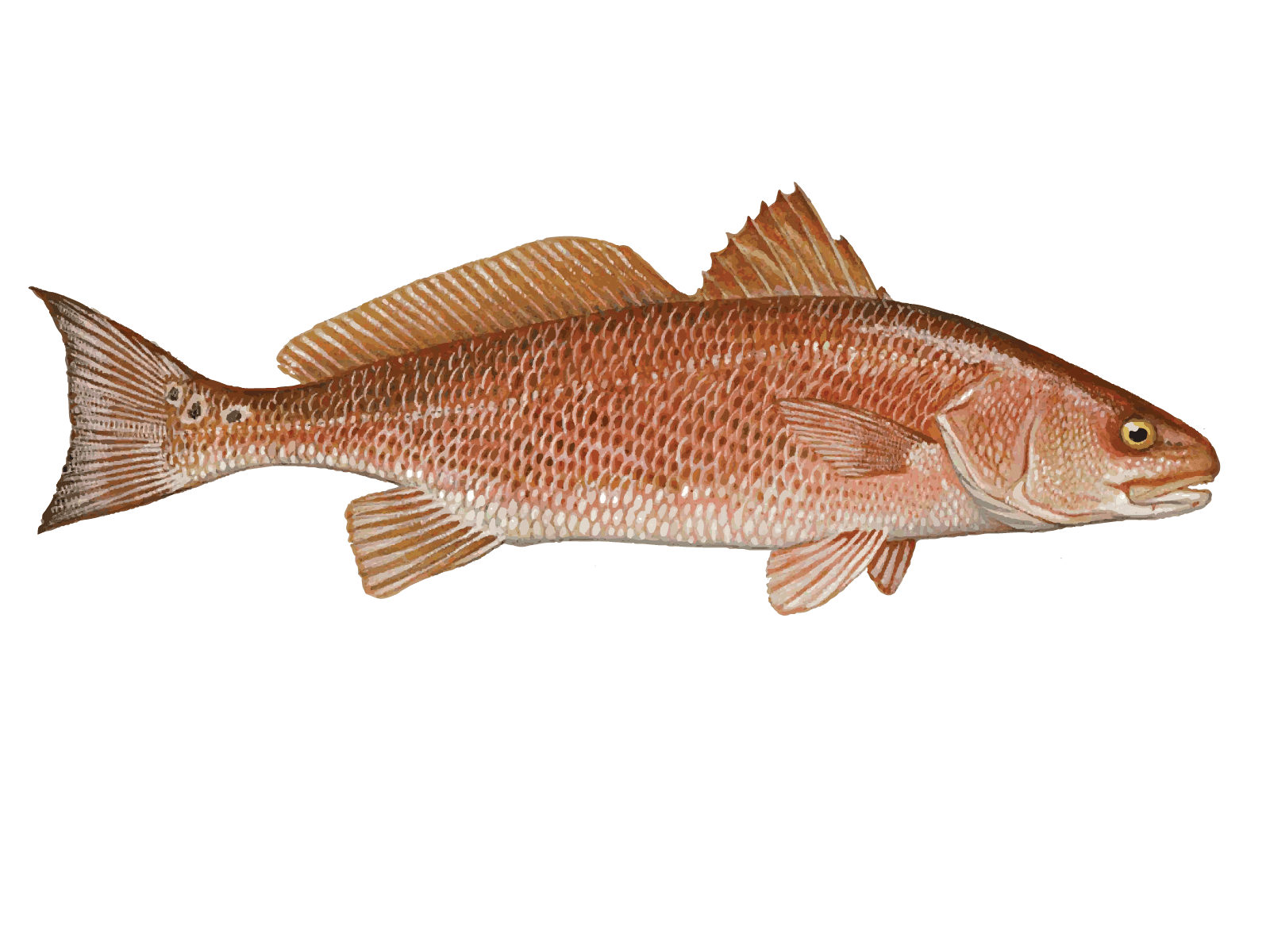
Redfish
Redfish are the bread and butter of our inshore fishing, easily spotted by their copper-red color and distinctive black spot near the tail. These fish run from slot-size around 20 inches up to bull reds over 30 inches that really test your drag. They cruise our shallow flats in 1-4 feet, often with their backs out of water, making them perfect for sight fishing. What anglers love is their willingness to hit everything from topwater plugs to live shrimp, plus they fight hard with long runs. The smaller ones make excellent table fare too. Best tip: look for them tailing in shallow water during moving tides. Cast ahead of where they're headed and work your bait slowly - they'll track it down and slam it.
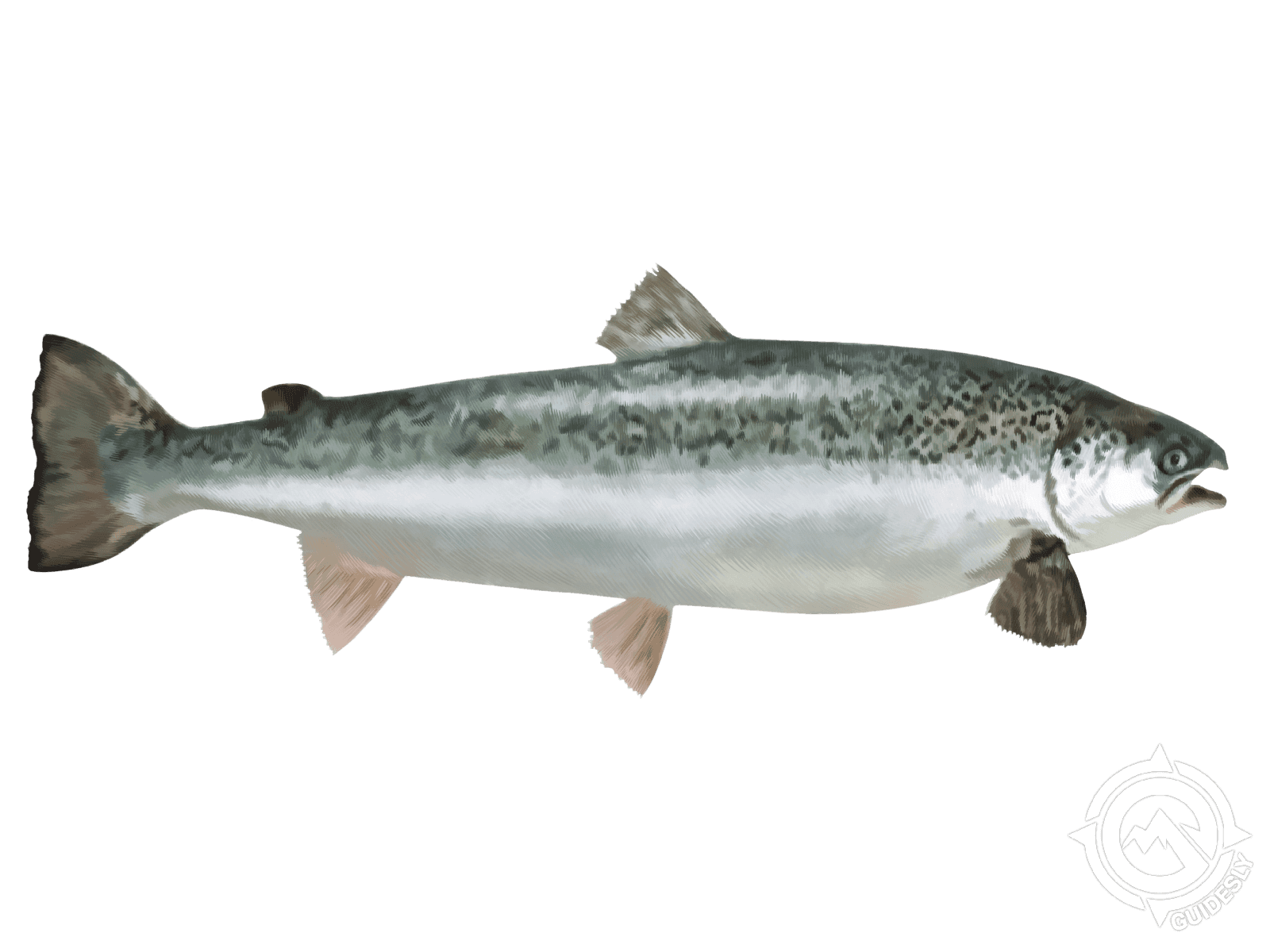
Sea Trout
Sea trout, or speckled trout, are beautiful fish with spotted sides that typically run 14-20 inches in our grass flats. They love shallow water over seagrass beds, especially during warmer months when they're active at dawn and dusk. These fish are popular because they hit artificial lures aggressively and put up a good scrap on light tackle. The meat is delicate and flaky - perfect for a fish fry. You'll find them in 2-8 feet of water around grass edges and sandy pockets. During winter, they school up in deeper channels. The secret is working soft plastics or topwater plugs slowly over the grass. Their mouths are soft, so keep steady pressure but don't horse them in or you'll pull the hook right through.
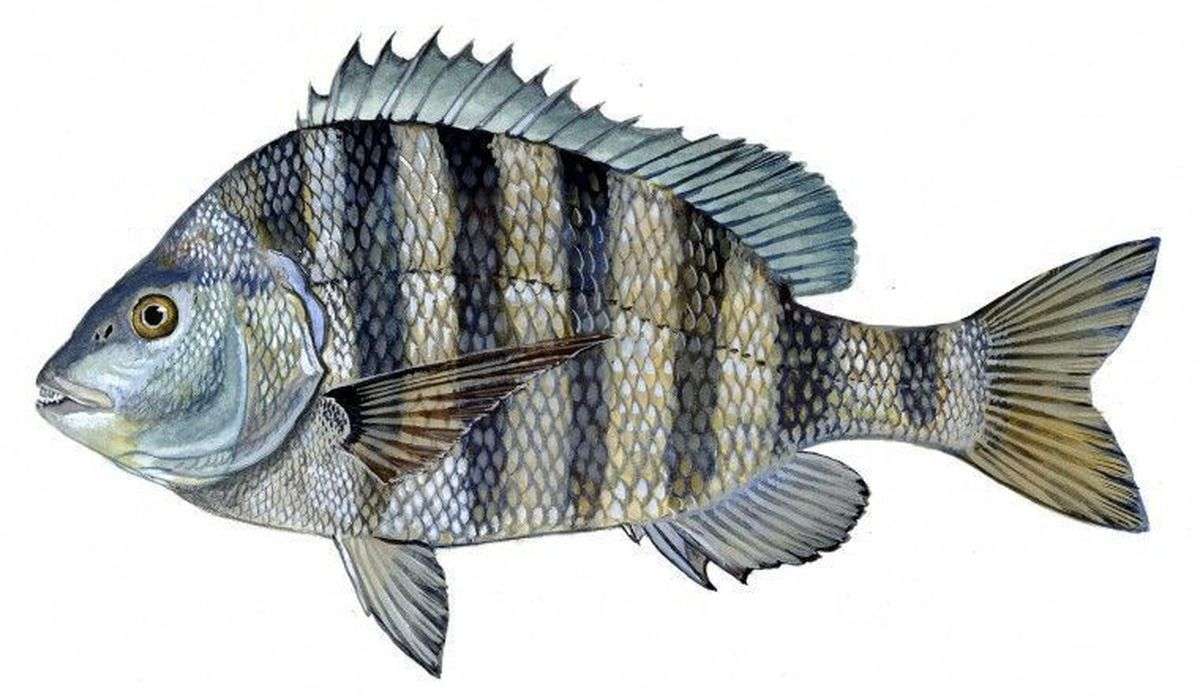
Sheepshead
Sheepshead are the "convict fish" with those distinctive black stripes, and they're famous for their human-like teeth that crush barnacles and crabs. Most run 2-5 pounds around docks, bridges, and any structure covered in growth. Spring months from February through April are prime time when they spawn around passes and jetties. What makes them exciting is they're notorious bait thieves - you'll feel them nibbling but they're trying to steal your shrimp without getting hooked. The payoff is some of the best eating fish in these waters with sweet, mild white meat. My tip: use small hooks with fresh shrimp and get as close to structure as possible. When you feel them picking, set the hook hard - they have tough mouths.
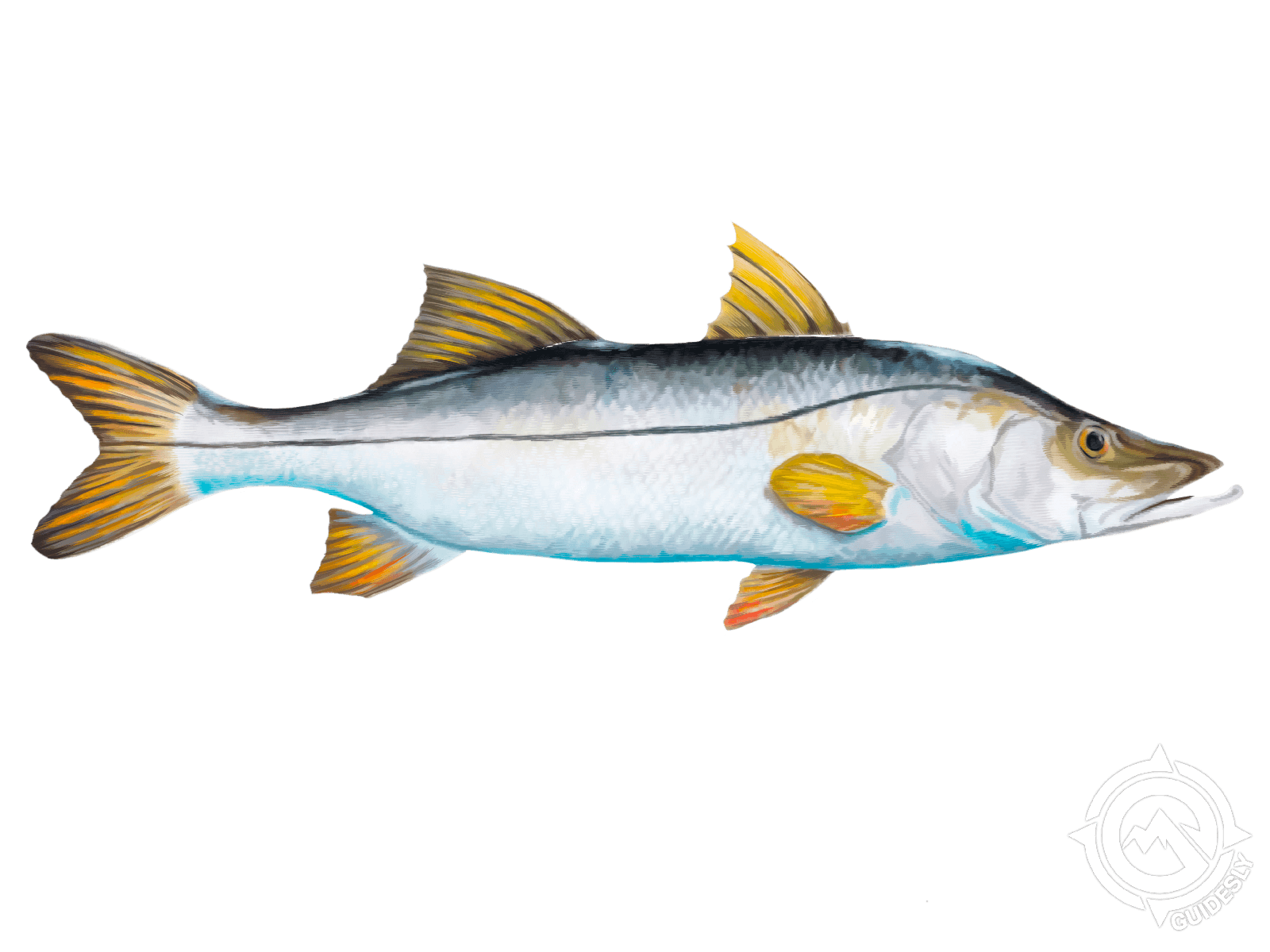
Snook
Snook are one of Florida's premier inshore targets, running 18-30 inches on average with that distinctive black lateral line. These ambush predators love hanging around mangroves, docks, and bridge pilings where they can dart out for baitfish and shrimp. They're temperature sensitive, so cooler months push them into deeper holes and warmer water pockets. What makes snook special is their aggressive strike and strong fight - they'll hit topwater lures hard then make powerful runs toward structure. The meat is excellent eating with firm, white flesh. Here's the key: get your bait right up against the cover where they're hiding. Snook won't chase far from their structure, so precision casting is everything.
Summer Flounder
Summer flounder are masters of disguise - these flatfish blend perfectly with sandy and muddy bottoms where they ambush prey. Most run 15-20 inches, but the big females can hit 5+ pounds and really pull. They're easier to find from September through November when they're more active before their offshore winter migration. What guests love is the challenge of detecting their subtle bite and the reward of excellent table fare - sweet, flaky white meat that's hard to beat. You'll find them in 10-30 feet around structure transitions and drop-offs. The trick is using circle hooks and letting them fully take the bait before setting. They'll often mouth it first, so patience pays off when targeting these bottom dwellers.
About the Tremblay 1989
%2F%2Fusers%2F0e2d35a9-2fd5-42b3-9ca4-d5a4a71350eb%2Fvehicle_picture%2F2353435d-7210-4ea7-8bd1-8ce7e88211ff.jpg&w=1920&q=75)
Vehicle Guest Capacity: 6
Manufacturer Name: Yamaha
Maximum Cruising Speed: 42
Number of Engines: 1
Horsepower per Engine: 175